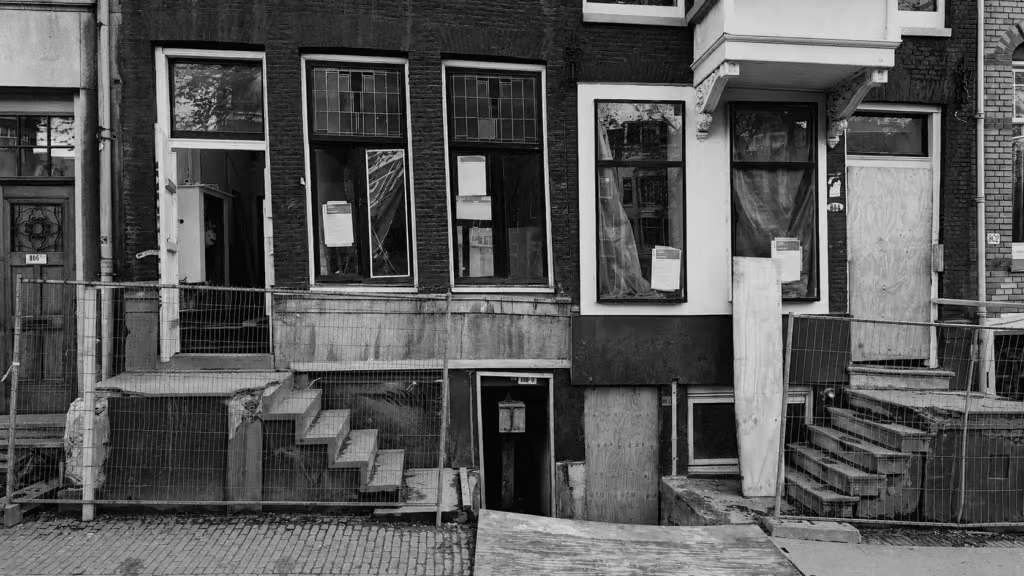
Foundation risk in Amsterdam refers to the assessed probability that a property’s
structural base is compromised by soil subsidence, groundwater fluctuation, or
deteriorating wooden pile construction, classified on a scale from A (no risk) to E
(confirmed problem) and, as of April 2026, a mandatory part of every official property
appraisal in the Netherlands.
Most expats hear the word “fundering” for the first time during a viewing. Nobody
explains it properly. You nod, file it somewhere in the back of your head, and move
on to asking about the kitchen. Then six months later, you own a house with a D-
score and a repair bill you did not see coming.
We have seen it happen. At Mr. Broker, foundation risk is one of the first things we
check, before you fall in love with the property, before the bid goes in, and
definitely before anyone talks about dropping the financing clause. Here is what you
need to know.
Mr. Broker is both an NVM real estate agent and an MVA Certified Expat Broker, meaning the guidance you receive is backed by real training, real market data, and verified professional standards (meaning real papers).
Amsterdam Is Built on Borrowed Time and Soft Soil
This city was literally built on peat. Wooden piles, some of them centuries old, hold up a significant chunk of Amsterdam’s housing stock, especially in the Jordaan, De
Pijp, the canal belt, older parts of Amsterdam-West and Noord. Climate change is
making things worse: groundwater levels fluctuate more than they used to, and
subsidence is accelerating in some of the most desirable streets in the city.
From 1 April 2026, every official property appraisal in the Netherlands must explicitly
document foundation risk, how it was assessed, how it was weighted, and whether additional investigation was advised. This is not new legislation. It is a sector reform
backed by the Dutch government because the old way of quietly noting a risk and
moving on was not working for buyers. Or for Banks.
For you as an expat buyer, this matters. You are operating in a market where foundation data is now front and centre in every transaction. The question is whether your buying agent actually knows what to do with it.
The A–E Score: What It Means in Practice
Every property gets a foundation risk classification from A to E. An A, B and C Score mean you
are fine, n
o increased risk. The sales and valuation process runs without obstacles.
D means high risk. E means a confirmed problem has been identified. A further (limited) foundation investigation is – almost always – required for the valuation report. This provides the buyer and financier with more certainty regarding potential foundation problems.
The score is built from foundation type, soil and groundwater data, satellite
subsidence measurements, and historical records. Here is the part most buyers miss: it is a risk signal, not a technical verdict. A D score does not automatically mean the building is unsound. It means the data points to a serious risk that has not been fully investigated yet. That is a very different thing, but only if you know how to read it.
Our broker Amir van Bommel has been buying property in Amsterdam since 2013, with a focus on exactly the neighbourhoods where foundation risk is most relevant. He knows which streets carry exposure, which building types are most vulnerable, and when a score can be negotiated into the price versus when it is a reason to walk. That is local knowledge. It is not something you get from a data platform.
If you are still getting your head around how the buying process works here, start
with the
full Amsterdam buying guide for expats.
What a Bad Score Does to Your Bid and Your Mortgage
A D or E score has direct financial consequences. Banks can and do require additional investigation before approving a mortgage. If you have already dropped your financing clause to make the bid more competitive, that investigation delay or refusal is now your problem. This is the exact situation where cutting corners on due diligence costs you real money.
On the price side, a confirmed risk with known repair estimates can be negotiated
into the offer. An uninvestigated risk cannot, you are guessing at a number and
hoping the seller does not know more than you. We use foundation data as a negotiation lever, not just a warning. A D-scored property in a strong Amsterdam location can still be a solid buy. But only if you go in with the right information and someone who knows how to use it.
Foundation risk is one of several factors that shape how we structure offers. The
overbidding guide for expats in Amsterdam covers how we build bids around data,
not pressure.
What We Check Before We Let You Bid
When a property shows a D or E score, we request the full foundation risk report (funderingsrisicorapport) and assess whether a QuickScan (nowadays also called “nulmeting”) is warranted. A QuickScan is a standardised physical inspection (covering wall cracks, tilt, facade deviation and settlement data) that produces one of three outcomes: low risk (proceed), medium risk (monitor or add conditions), or high risk (full structural investigation required before anything moves forward). Costs typically range between €400 and €700 including VAT to cheaper if done during a regular technical inspection by the same company.
We do not let clients bid (without a clause) on properties with unresolved D or E scores without understanding the repair exposure. That is not overcaution. Foundation repair in Amsterdam can run into tens of thousands of euros. Our job is to make sure you know that before you sign anything, not after you get the keys.
Want us to look at a specific property before you make a move?
Get in touch and we
will tell you exactly what we see.
Frequently asked questions about foundation risk in Amsterdam
How do I know if the property I am viewing has foundation risk?
From April 2026, every official appraisal must include a foundation risk classification.
As your buying agent, Mr. Broker checks this before advising on a bid. For properties with a D or E score, we request the underlying risk report and assess whether a QuickScan is needed. You will never go into a bid with us without knowing what the foundation data says.
Does a D or E score mean I should not buy the property?
Not automatically. It means the data points to serious risk, but not necessarily unfixable or unaffordable risk. Mr. Broker assesses the score against the property type, the street, and what additional investigation shows. Some D-scored properties in strong Amsterdam locations are still solid buys with the right price adjustment. Or simply, because the data is not updated and nothing but a tempest in a teapot. We will get to the bottom of it.
Can foundation risk block my mortgage?
Yes, directly. A D or E score can lead a lender to require additional investigation before approving financing. If you have already dropped the financing clause to win the bid, that exposure sits with you. This is why clause strategy and foundation risk always get discussed together at Mr. Broker, before the offer goes in.
Which Amsterdam neighbourhoods carry the most foundation risk?
The highest exposure is typically in older housing stock built on wooden piles: the
historic canal belt, the Jordaan, parts of De Pijp, Amsterdam-West and older sections of Noord. That does not mean avoid them, some of the best buys in the city are there. It means foundation checks are non-negotiable in these areas. Mr. Broker knows these streets in detail.
What changed on 1 April 2026 regarding foundation risk?
From that date, foundation risk must be explicitly documented in every official Dutch property appraisal. The appraiser must show how it was weighted in the valuation and whether additional investigation was advised. It is a sector reform, not new law, but the practical effect is that foundation data is now a fixed part of every transaction in Amsterdam.
What the new foundation label means for your (purchase) home in the Netherlands?
For buyers and sellers alike, this means one thing: check the foundation status early. Discovering a foundation problem at the appraisal stage can delay or even derail a sale entirely. Only NVM real estate agents have access to rich data, which allows them to check a property’s foundation status before it even hits the market, giving you a crucial head start.
Foundation risk is not a reason to stop buying in Amsterdam. It is a reason to buy with someone who actually knows how to read it. Mr. Broker checks the data, interprets the score, and tells you clearly what it means for your offer, your mortgage, and your decision. No jargon, no corporate fluff. Ready to move?
Get in touchand we start with the property you have in mind.