
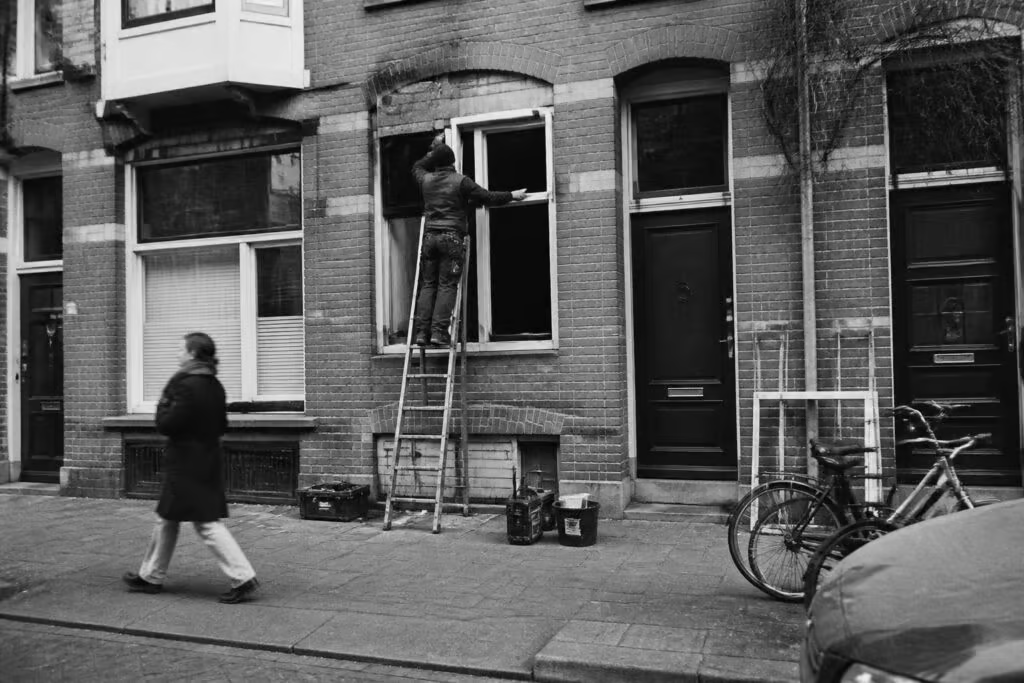
In the Netherlands, every residential property must have a valid energy performance certificate (energielabel) before it can be sold, rated from A++++ (most efficient) to G (least efficient), with label quality increasingly affecting mortgage conditions, renovation costs and long-term resale value.
It is easy to skip past the energy label when you are looking at Amsterdam apartments. The photo of the kitchen is interesting; the energy label is a number in a coloured box. But in 2026, that box has real financial consequences, especially for expat buyers who often gravitate to pre-war buildings in De Pijp, Oud-West and Jordaan that carry the lowest labels. Here is why it matters and what to do about it.
What the Labels Mean
The Dutch energy label system rates properties on a scale from G (worst) to A++++ (best). The label reflects insulation quality, window type, heating system efficiency, and the presence of renewable energy generation. A C-label means the building is reasonably insulated but has room for improvement. A G-label means you are likely heating a poorly insulated building at significant cost.
Pre-war Amsterdam buildings, the majority of the attractive apartment stock in De Pijp, Oud-West and Jordaan, tend to have D, E or F labels unless they have been significantly renovated. Double glazing, roof insulation and wall insulation upgrades can move a property two to three labels up the scale.
Mr. Broker assesses energy label implications as part of the overall property evaluation. For properties with low labels, we help buyers calculate the realistic renovation cost before bidding. See how this fits into the full process on what we do.
How Energy Labels Affect Mortgages in 2026
Dutch mortgage lenders have been incorporating energy performance into lending criteria. The most significant change: for properties with very poor energy labels (E, F, G), some lenders apply stricter LTV conditions or require evidence of a renovation plan. Conversely, highly energy-efficient properties (A or higher) can qualify for slightly more favourable mortgage terms with certain lenders. For expat buyers with foreign income or 30% ruling files, lender flexibility on energy labels can vary further, which is worth checking with a mortgage advisor early.
The EU energy performance of buildings directive is also pushing towards minimum standards for rental and sale properties. While enforcement timelines for existing owner-occupied properties are still being defined in the Netherlands, the direction of travel is clear: low-label properties will become increasingly difficult to sell or finance over the next decade.
The Renovation Calculation
A full energy renovation (new windows, roof and floor insulation, HR++ boiler or heat pump) costs approximately €20,000 to €50,000 depending on property size and current state. Part of this may be eligible for Dutch government subsidies (ISDE scheme, heat pump subsidy). The renovation adds to the energy label, reduces heating bills, and often improves the sale value of the property.
The key question is whether the renovation cost is already reflected in the asking price. A D-label apartment priced at a significant discount to comparable A-label apartments may represent good value once you factor in the renovation. Mr. Broker models this specifically for properties where the label is a material consideration.
See the FAQ for a full breakdown of buying costs. And if you want to understand what a specific property’s energy situation means for your budget, talk to Mr. Broker.
Frequently asked questions about energy labels in Dutch real estate
Do energy labels affect my Dutch mortgage as an expat?
They can. Most Dutch lenders apply the same energy-label rules to expat files as to Dutch-resident files, but stricter LTV requirements on low-label properties (E, F, G) combined with an expat income profile can tighten the borrowing capacity. Some lenders also offer ‘green’ mortgage products with slightly better rates for A-label or higher properties. Mr. Broker flags this in the early intake so you can match label and lender.
Can I buy a property without a valid energy label?
No. Dutch law requires a valid energy label to be present before a property can be legally sold. If the current label has expired, the seller must commission a new one before completion. This is the seller’s responsibility and cost.
How is the energy label assessed?
By a certified energy advisor who inspects the property and records insulation levels, window types, heating system and any renewable energy installations. The inspection takes two to three hours. The resulting label is registered in the national database and valid for ten years.
Should I avoid properties with low energy labels?
Not necessarily. A property with a D or E label in a desirable location may be an excellent purchase if the asking price reflects the label and you factor in renovation costs. The question is whether you are being compensated financially for the work the property requires.
What subsidies are available for energy renovation in the Netherlands?
The Dutch government offers several subsidy schemes including the ISDE (for heat pumps and solar boilers) and the Energiebespaarlening (low-interest renovation loan). Schemes change regularly. An energy advisor or the Milieu Centraal website can give you the current options for your property type.
Energy performance is no longer a footnote in the buying decision. Book a free intake and Mr. Broker can walk you through what any specific property’s label means for your budget.