
How Buying Agents Work for Expats in Amsterdam

A buying agent in Amsterdam is a licensed real estate professional who represents the buyer only, searching, advising, and negotiating to secure a home on the buyer’s behalf. You found a listing online, you love it, and viewings are already booked out for the weekend. By Monday it is sold, often far above the asking […]
Off-Market Properties in Amsterdam: How to Access Homes That Never Hit Funda

An off-market property transaction in Amsterdam is one in which a seller chooses to sell privately, through an agent’s network, direct contact, or referral, without publicly listing the property on Funda or other portals, typically to preserve privacy, avoid bidding competition, or reach a specific type of buyer. You have been watching Funda for weeks. […]
Why Waiting to Buy in Amsterdam Can Cost Expats More Than Buying Now

The cost of waiting to buy in Amsterdam is the rent you keep paying plus the equity you miss while prices hold firm, often far more than any price dip you hope for. Waiting feels like the safe choice. The market is cooling, so why not sit tight and let prices fall? Here is the […]
Relocating to Amsterdam for Work: How to Find a Home Before You Land

Expats relocating to Amsterdam for work typically have three to six months between contract signing and start date: a window that is sufficient to complete an Amsterdam property purchase remotely, provided the mortgage pre-approval process begins immediately and a local buying agent manages viewings and bidding in person. You signed the contract. Your start date […]
How to Deal With a Bidding War in Amsterdam Without Losing Your Head

In Amsterdam’s housing market, a sealed bid round (besloten biedingsprocedure) involves multiple buyers submitting their best offer by a fixed deadline, with the seller free to choose any bid (not necessarily the highest), making offer structure, conditions, and credibility as important as the number. You found the one. The viewing was great, the price feels […]
Why a Cooling Dutch Housing Market Does Not Mean Lower Amsterdam Prices
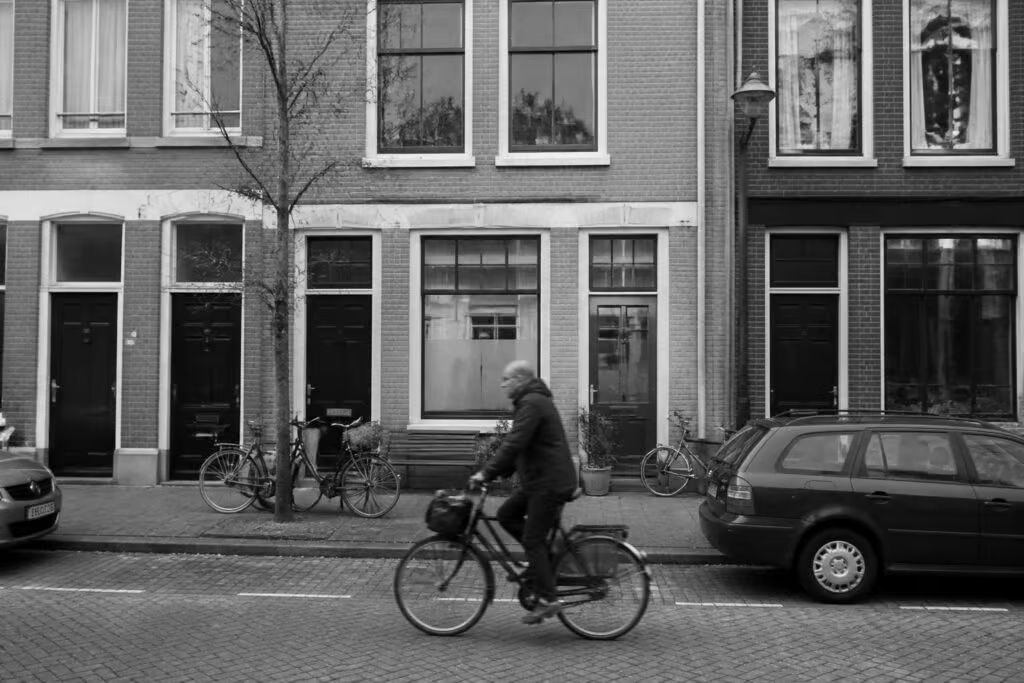
A cooling housing market refers to slowing price growth and longer selling times nationally, which in Amsterdam often means more negotiating room rather than genuinely lower prices. The headlines warn of a slowdown. Buyer confidence is down, build costs are up, and political uncertainty hangs over new construction. So expats reasonably ask: does this mean […]
Energy Labels in Dutch Real Estate: What Expats Need to Know Before Buying
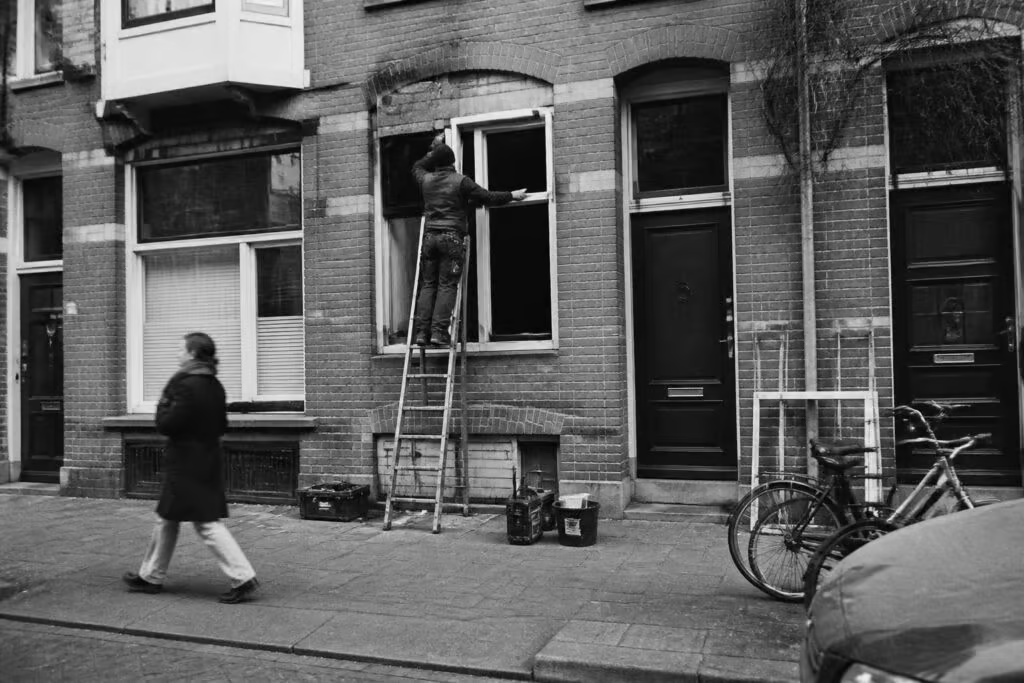
In the Netherlands, every residential property must have a valid energy performance certificate (energielabel) before it can be sold, rated from A++++ (most efficient) to G (least efficient), with label quality increasingly affecting mortgage conditions, renovation costs and long-term resale value. It is easy to skip past the energy label when you are looking at […]
The Amsterdam Window Expats Keep Missing: Why More Negotiating Room Won’t Last

The current Amsterdam buyer window is a short phase where a calmer market gives buyers more negotiating room and time to think, before rising demand closes the gap again. Right now, something rare is happening in Amsterdam. The frenzy has eased. Homes sit a little longer. Buyers can actually negotiate instead of throwing blind offers […]
What Is a VvE (Homeowners Association) in the Netherlands, and Why It Matters

A VvE (Vereniging van Eigenaren) is the mandatory homeowners association that every apartment owner in the Netherlands becomes a member of upon purchase, responsible for managing shared building elements including the roof, facade, staircases and communal installations, funded by monthly service charges and a collective reserve fund. You found an apartment you like. The price […]
Renting vs. Buying in Amsterdam: When Does It Make Sense as an Expat?

For expats in Amsterdam, the decision to buy rather than rent depends on three primary factors: intended length of stay, available equity for purchase costs and down payment, and current market conditions, with most financial analyses suggesting buying becomes advantageous after approximately three to four years of residency. It is one of the most common […]